




Pay by Phone Bill Casinos Explained: How They Work (UK)
How pay by phone bill (pay by mobile) casino deposits work in the UK, the £40/£240 cap that applies, and why you can't withdraw the same way.

Share this article
Pay by phone bill casinos explained: how the payment method actually works
A pay by phone bill casino gives you the option to top up your account using your mobile network, rather than the usual card or bank route. If you're on pay as you go, the money comes straight off your phone credit, right there and then. If you're on a contract, the charge simply appears on your next bill. In either case, there's no need to fiddle about with card numbers or online banking - just your mobile number and a quick text to confirm, and you're sorted.
It's genuinely handy for smaller, casual deposits, and a fair bit more discreet than having half a dozen casino transactions popping up on your bank statement. But there's a firm ceiling in place, set by financial rules (not by the casinos themselves), and a one-way system that often catches people out at the worst moment - just after a win.
In this guide, we'll unpack how deposits actually work, where those limits come from and what they really mean, why cashing out isn't an option via phone bill, and how this stacks up against alternatives like Apple Pay, Google Pay and PayPal.
The short version
Pay by phone bill (also called pay by mobile) charges your casino deposit to your mobile network rather than a bank or card. Pay as you go: the amount comes straight off your phone credit. Pay monthly: it's added to your next bill. You confirm the deposit by SMS or a one-time PIN, and your casino balance updates within seconds.
Three main providers - Boku, Payforit, and Fonix - handle most of the UK market. They all operate in much the same fashion, and which one you see usually depends on the casino's cashier system.
Here's the big catch: it's deposit-only. Withdrawing any winnings means switching to another method - typically a bank transfer, PayPal, or an e-wallet. And the deposit cap sits well below most card limits, thanks to financial regulation rather than any decision by the casino.
How the deposit actually happens
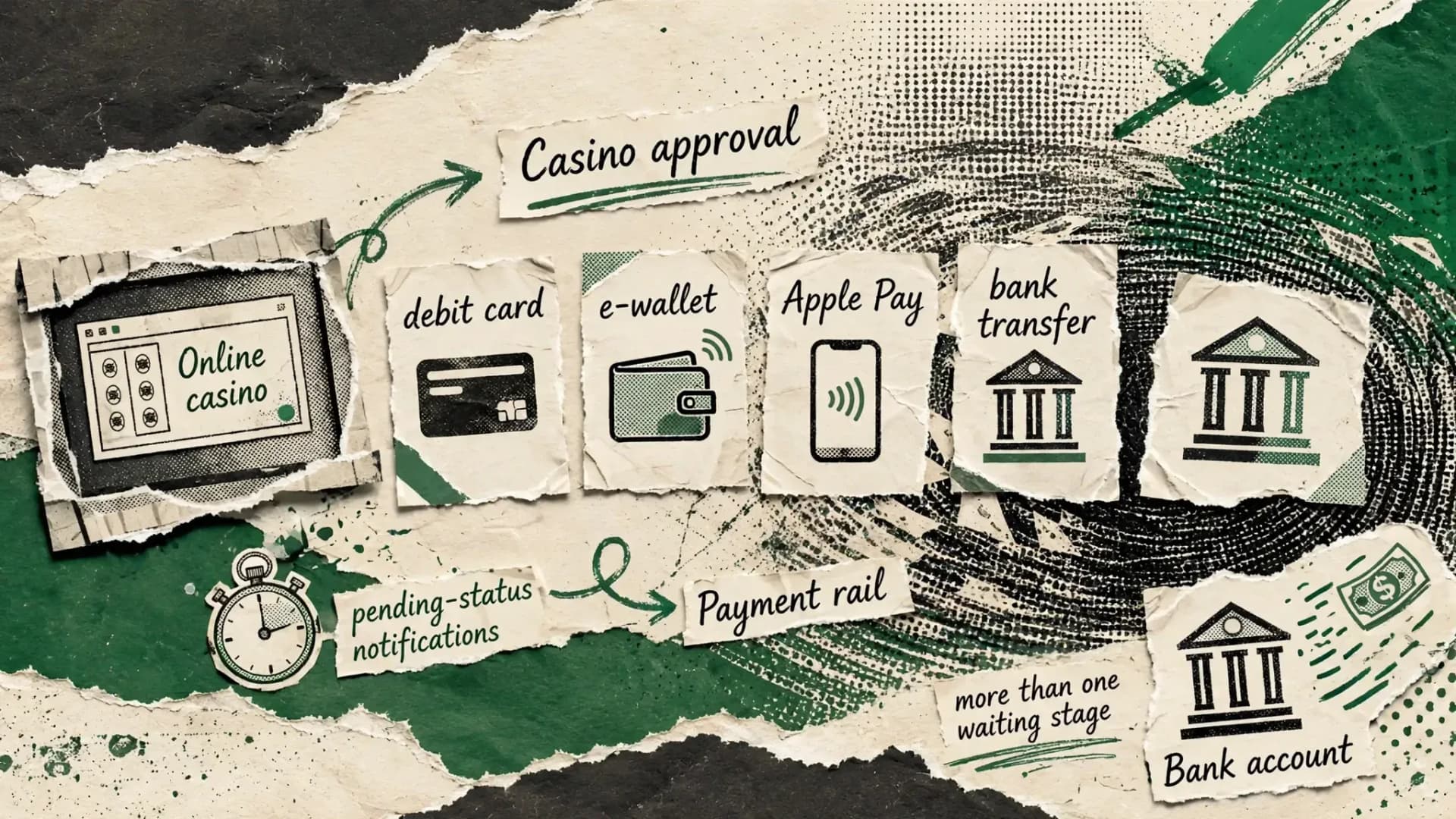
The process is designed to be quick. Select 'pay by phone bill' or the provider's name - often Boku - in the casino cashier, pop in your mobile number, and wait for a text. You'll either get a one-time PIN or just a message to reply to. Confirm, and your casino balance updates within seconds. No faffing about.
What happens after that depends entirely on your contract. If you're on pay as you go, the deposit comes straight off your balance - so you can only spend what you've already topped up. If you're on a monthly contract, the amount simply gets added to your next bill, meaning you're spending before you've actually paid.
Behind the scenes, Boku, Payforit and Fonix handle the actual billing. The casino itself doesn't control their technical limits or fees. So, if a deposit fails, it's nearly always down to the network or processor - not the casino blocking you.
The £40 and £240 limit, and where it actually comes from
Most casino sites mention a deposit limit of £10 to £30 - a figure that's genuinely enforced. But it pays to know the real ceiling behind these numbers, as it helps explain why limits vary from one site to another.
Mobile carrier billing - including gambling-related charges - falls under the Financial Conduct Authority's electronic communications exclusion, a specific carve-out in the Payment Services Regulations 2017. Under this rule, you can't make a single transaction over £40, and you can't be charged more than £240 in total per mobile number each calendar month. These are hard limits: no network, processor or casino can raise them, even if they want to.
Individual casinos and processors set their own working limits beneath that ceiling, which is why one site might cap deposits at £10 while another allows up to £30. Always double-check the cashier screen for the actual figure, as it can change depending on your network and provider.
Why you can't withdraw the same way
Carrier billing is strictly one-way traffic. Your network can take money from you, but there's no way to send money back to your credit or bill. So, even if a casino wanted to, it simply can't send withdrawals via phone bill.
You'll need a second payment method ready before you try to cash out - usually a bank transfer, PayPal, or an e-wallet like Skrill or Neteller. It's worth sorting this during registration, rather than scrambling for ID and bank details after a win and holding up your payout. Our guide to deposit limits and safer gambling tools also covers other account controls that are worth setting up at the same time.
The catch for pay monthly customers
Here's something that's easy to overlook: if you're paying by phone bill on a monthly contract, you're effectively spending money you haven't paid yet. The charge is real and will appear on your bill, but when you confirm the deposit, no actual money has left your account just yet.
It's worth pausing on that point, because it's the same sort of concern the Gambling Commission flagged when it banned gambling on credit cards in 2020: spending money you don't actually have yet, on the assumption you'll pay it back later. Phone bill deposits weren't included in that ban, and they're still legal and commonly used at UK-licensed casinos. Yet the regulator's reasoning for banning credit cards is just as relevant here, even if the rule doesn't technically apply.
The real takeaway isn't to avoid the method altogether. It's simply to treat a pay monthly phone bill deposit with the same discipline you'd use for a credit card - as money you'll need to cover later, not cash you already have.
Pay by phone bill versus Apple Pay, Google Pay and PayPal
Phone bill deposits aren't the only mobile-friendly choice, and they're not always the best fit. Apple Pay and Google Pay both link straight to a debit card behind the scenes, so you can deposit and withdraw, benefit from higher limits, and everything settles instantly - no need for SMS confirmations. PayPal works in a similar way: you deposit and withdraw through one account, with no mobile network involved at all. Pay by Bank is another card-free option and can handle both deposits and withdrawals, although not every casino supports two-way Open Banking.
So the trade-off couldn't be clearer. Phone bill billing is ideal for privacy and simplicity if you're making small, casual deposits - there really are no card or bank details involved. Apple Pay, Google Pay and PayPal offer more flexibility, since they handle deposits and withdrawals in one go. If you'd rather avoid juggling a second payment method, our guide to the best Apple Pay casinos highlights sites built around that single, two-way option.
Bonus eligibility and other things worth checking
Welcome offers and promotions don't always treat every payment method equally. Some casinos exclude phone bill or Boku deposits from bonus eligibility altogether; others might allow it, but with different wagering terms. This sits alongside other payment method exclusions, as covered in our guide to wagering requirements, so it's worth checking the bonus terms before assuming your deposit will qualify.
A processing fee can also pop up from time to time, sometimes baked into the rate rather than shown as a separate line. It's worth having a quick look at the cashier screen before hitting confirm, not afterwards.
Who this method actually suits
Pay by phone bill is well suited to casual, low-stakes play where privacy matters more than having big spending limits: there's no bank statement trail, no card details stored, and the deposit cap is set by regulation rather than left to your own willpower. It's not the best choice if you're hoping to make large deposits, as £40 at a time and £240 a month is a firm ceiling, no matter which casino you pick.
Safer gambling: a low deposit cap can feel like a built-in safety net, but it's no substitute for setting your own limits. If gambling is becoming an issue for you or someone close to you, the National Gambling Helpline is free and available 24/7 on 0808 8020 133.
Frequently asked questions
What is a pay by phone bill casino? It's an online casino that lets you deposit by charging the amount to your mobile network, either taken from your pay as you go credit instantly or added to your next pay monthly bill, confirmed by SMS.
Is Boku safe to use for casino deposits? Yes. Boku is one of the main carrier-billing providers used across UK retail and gambling sites, and it never sees your bank or card details, only your mobile number and the SMS confirmation.
What's the maximum I can deposit by phone bill? The hard regulatory ceiling is £40 per transaction and £240 a month per mobile number, set by the FCA. Many casinos and networks apply their own lower working limit underneath that, often £10 to £30 per deposit, so check the cashier for the actual figure.
Can I withdraw my winnings to my phone bill? No. Carrier billing only moves money one way, from you to the network, so every pay by phone bill casino requires a separate withdrawal method such as a bank transfer, PayPal or an e-wallet.
Do all UK casinos accept pay by phone bill? No. Not every UK-licensed casino supports it, and among those that do, some exclude it from qualifying for welcome bonuses. Check the cashier and the promotion's terms before relying on it.
Is a phone bill deposit the same as gambling on credit? Not legally, and it isn't covered by the Gambling Commission's 2020 ban on credit card gambling. But on a pay monthly contract, you are spending before you've paid, which carries some of the same risk the credit card ban was designed to reduce.

Alan Woods
Content Editor
Alan reviews Irish casinos the same way he used to assess security risks: nothing gets the benefit of the doubt until it holds up under scrutiny. His cyber security background means he checks the things most reviews overlook, like licensing, how a site handles your data, and what the withdrawal terms actually deliver once the welcome offer is out of the way. He’s a published author as well, so you get the verdict in plain English instead of a technical checklist.
Share this article